Vision and Goals
African penguins serve as early warning signals for the health of our oceans. As their populations decline, they highlight the growing instability of marine ecosystems along southern Africa’s coastline. With fewer than 10,000 breeding pairs left in the wild, their future depends on swift, science-led intervention.
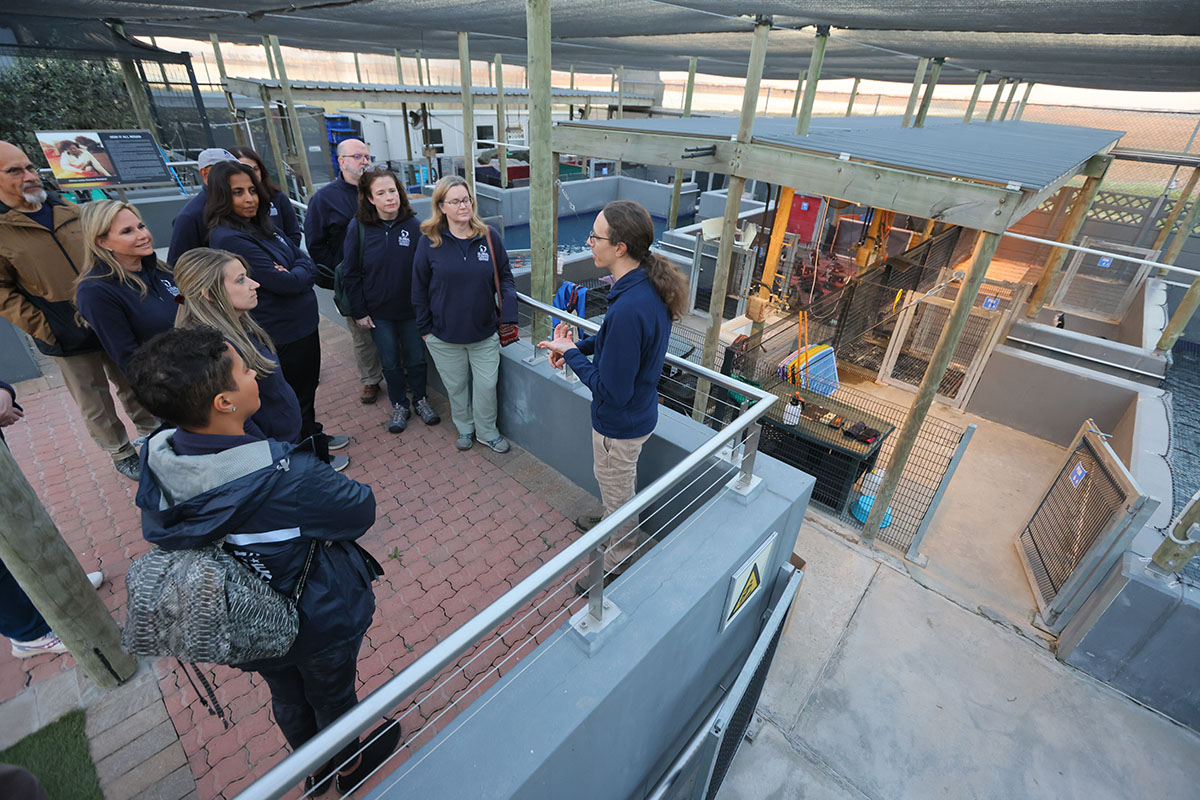
That’s why Global Humane Conservation Fund of Africa proudly supported the expansion of SANCCOB’s Chick Rearing Unit in Cape Town; a world-leading facility dedicated to the rescue, rehabilitation and rearing of African penguin chicks and eggs.
Our goal is to increase the facility’s capacity to incubate and raise wild-origin chicks, improving survival rates and boosting wild populations. This initiative directly contributes to marine conservation by giving vulnerable chicks a second chance and reinforcing the long-term sustainability of the species.
Partners
This project is made possible through our partnership with SANCCOB (Southern African Foundation for the Conservation of Coastal Birds), a globally recognized organization dedicated to seabird conservation. SANCCOB is the only organization in the world that incubates, hatches and hand-rears wild-origin African penguin eggs, playing a critical role in population recovery efforts.
Project in Action
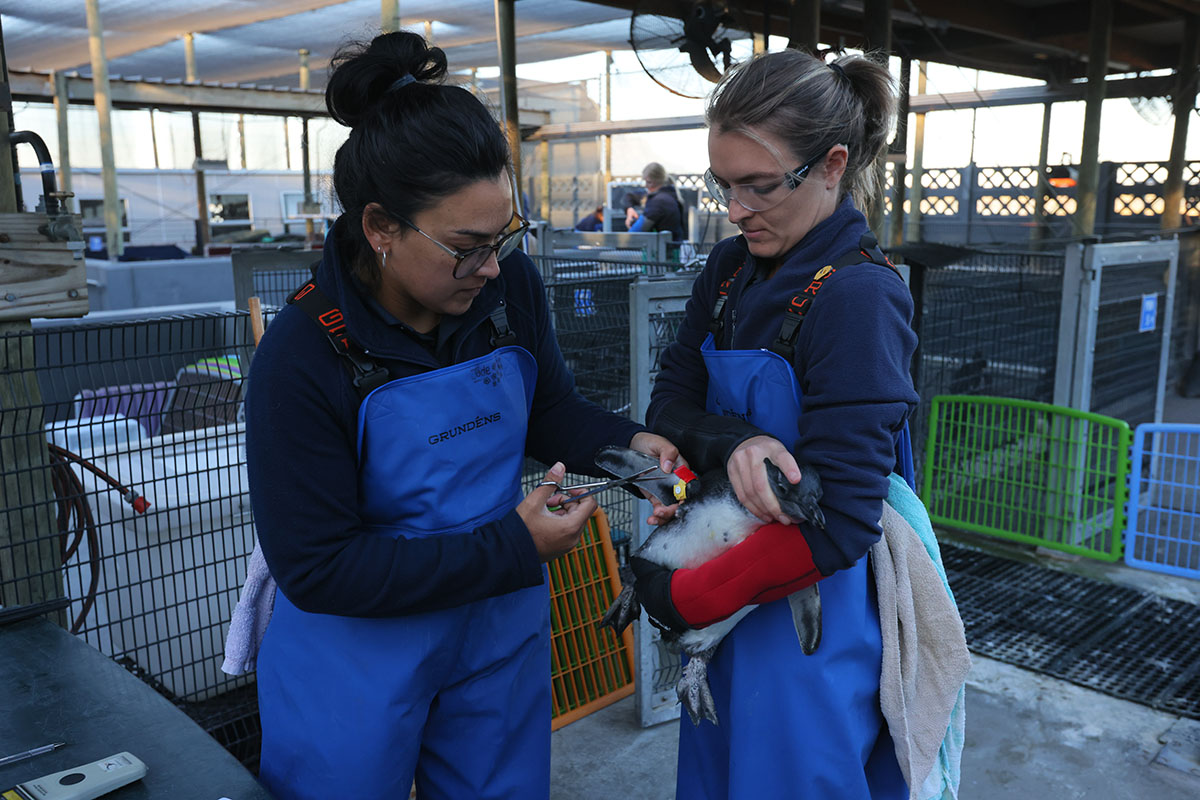
Each year, SANCCOB Cape Town admits an average of 500 to 600 African penguin chicks and 300 to 400 eggs, many of which are abandoned due to extreme weather events or disruptions in breeding colonies. With growing environmental pressures, the demand for care is rising and so is the need for space and resources.
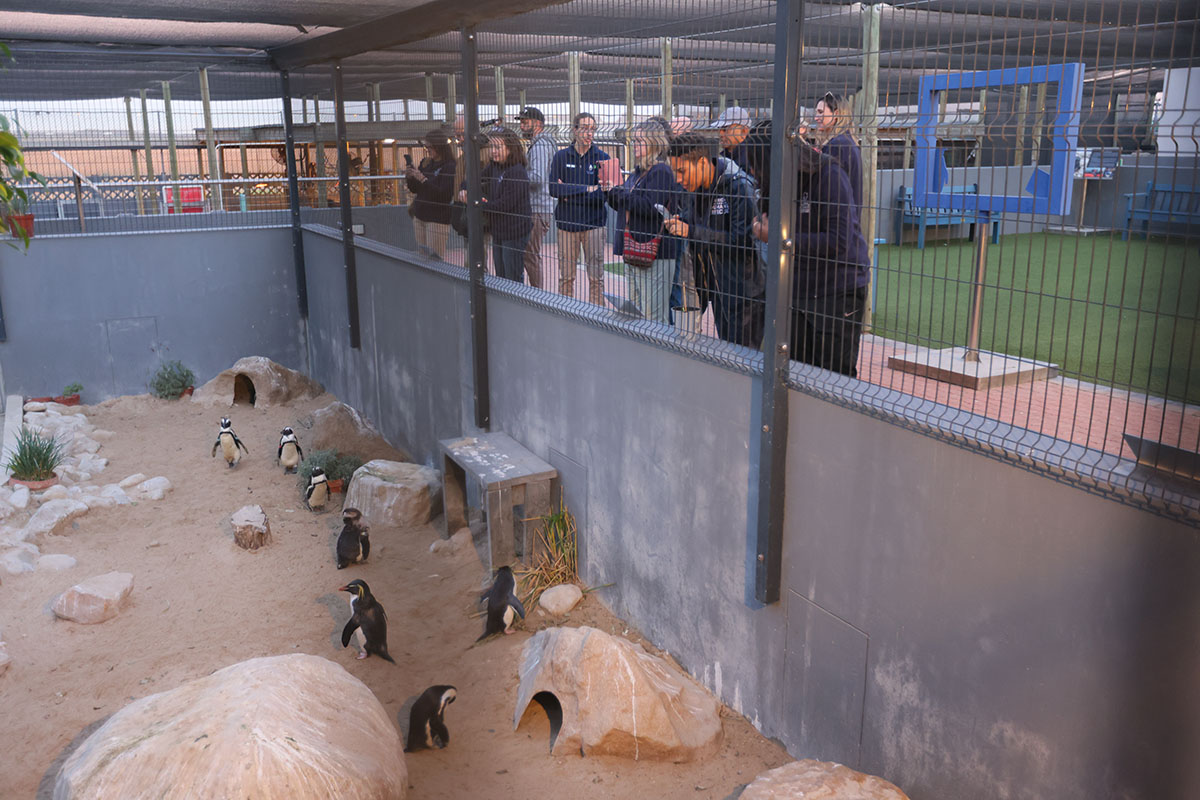
With a current release rate of 81% for hand-reared chicks, the Chick Rearing Unit plays a vital role in sustaining the species. Through Global Humane Conservation Fund of Africa’s support, SANCCOB is expanding this specialized facility to accommodate double the number of eggs and chicks, allowing more penguins to be successfully reared and released into the wild, securing a future for this endangered species.
The unit includes incubation rooms, hatcheries and dedicated feeding and care spaces ensuring chicks receive the specialized attention needed to survive and thrive. This expansion strengthens SANCCOB’s capacity to respond to crises, support colony resilience and secure a future for this endangered species.