
Blog

Why Rhinos are Important for Ecosystems
When the Global Humane Conservation Fund of Africa joined the Water for Wildlife initiative in Hwange National Park in 2024, the mission was clear: to keep life flowing through Zimbabwe’s largest protected wilderness area. One year later, the results speak for themselves. Across Hwange’s vast plains, thousands of elephants, zebras, and other species now have dependable access to water where it’s needed most.
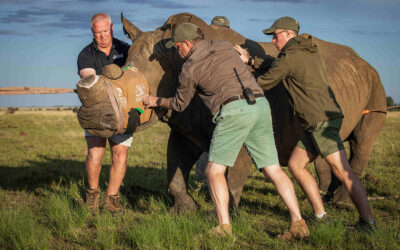
The Importance of Rhino Translocations
When the Global Humane Conservation Fund of Africa joined the Water for Wildlife initiative in Hwange National Park in 2024, the mission was clear: to keep life flowing through Zimbabwe’s largest protected wilderness area. One year later, the results speak for themselves. Across Hwange’s vast plains, thousands of elephants, zebras, and other species now have dependable access to water where it’s needed most.

Water for Wildlife in Hwange: One Year On
When the Global Humane Conservation Fund of Africa joined the Water for Wildlife initiative in Hwange National Park in 2024, the mission was clear: to keep life flowing through Zimbabwe’s largest protected wilderness area. One year later, the results speak for themselves. Across Hwange’s vast plains, thousands of elephants, zebras, and other species now have dependable access to water where it’s needed most.

Team Resilience in Hwange National Park: Positivity Under Pressure
In Hwange National Park, Zimbabwe’s largest and oldest protected wilderness, survival is a daily act of endurance. For the people who call this park their workplace, it’s a landscape that demands patience, resourcefulness, and heart.

Space for Species in Hwange National Park
One of the greatest challenges of our time is creating space for species. Across the world, wild habitats are shrinking, water is becoming scarce, and competition for land continues to intensify. In many regions, that struggle for space has led to growing conflict between people and wildlife.

One Year of AI Rhino Protection
One year ago, Global Humane Conservation Fund of Africa partnered with a private reserve in South Africa to pilot a bold idea: could artificial intelligence strengthen existing anti-poaching efforts and offer deeper insight into rhino behavior?

Get to Know Africa’s Giraffe Species
When most people picture a giraffe, they think of one animal. One towering species, gracefully nibbling leaves from the tops of acacia trees. But what if we told you there isn’t just one giraffe?

Shining a Light on Orcas and Sharks
Moving an elephant is no small task. In fact, it takes months of planning, a dedicated multidisciplinary team, and a deep understanding of both animal behavior and ecosystem health.

Supporting Elephants on the Move: Insights from Dr. David Zimmerman
Moving an elephant is no small task. In fact, it takes months of planning, a dedicated multidisciplinary team, and a deep understanding of both animal behavior and ecosystem health.

On the Move: A Conversation with Kester Vickery
What does it take to move an elephant? Not just trucks and cranes—but vision, science and a deep understanding of wildlife.

Elephants in Abundance
Situated just 30 minutes away from Gqeberha (formerly Port Elizabeth) in the Eastern Cape of South Africa, Addo Elephant National Park is a haven where elephants reign supreme.

Giving the Mountain Bongo a Fighting Chance: A Q&A with Dr. Robert Aruho
Deep in the montane forests of Kenya lives one of the world’s rarest antelope species, the Mountain Bongo. With fewer than 100 individuals left in the wild, their survival hangs in the balance.

One Year On: Global Humane Conservation Fund of Africa’s First Year of Impact
On Earth Day, 22 April 2024, the Global Humane Conservation Fund of Africa was officially launched with a bold vision: to protect and conserve Africa’s wildlife, restore vital habitats and support the people and parks safeguarding the continent’s natural heritage.

Why Frogs Matter
Frogs may be small, but they play a big role in keeping our planet healthy.

Water for Wildlife: Sustaining Life in Hwange National Park
Every year on March 22, we recognize World Water Day and the critical role freshwater plays in sustaining life.

The Mountain Bongo: A Rare Jewel of Africa’s Forests
Deep in the misty, high-altitude forests of Mount Kenya, a striking and elusive antelope roams—the mountain bongo.

The Importance of Bats
Every year on April 17, the world celebrates International Bat Appreciation Day, yet these fascinating creatures remain some of the most misunderstood animals around.

Technology: The New Frontier in Wildlife Conservation
In an era where the survival of countless species hangs in the balance, technology is becoming a beacon of hope for wildlife conservation.

Celebrating the Impact of the Nedbank South Africa Charity Golf Day
At Global Humane Conservation Fund of Africa, we’re privileged to partner with incredible organizations that share our vision for a better future.

Rivers: A Lifeline for All Species
Water is life. Nowhere is this more apparent than in Uganda’s Murchison Falls National Park, where the Nile River winds through vast landscapes, sustaining a rich diversity of wildlife.

Saving Uganda’s Giants
Uganda’s lush landscapes and incredible biodiversity have long been a draw for tourists, but few icons are as deeply woven into the fabric of the country’s identity as its elephants. These majestic giants are not merely symbols of the wild; they are pivotal to Uganda’s ecosystems, economy, and history. Their story, however, is one of resilience in the face of incredible challenges.

Celebrating Women in Conservation: Dr Nancy Masia
Dr. Nancy Masia is a dedicated wildlife veterinarian working with the Elephant and Wildlife Rescue Unit in Murchison Falls National Park in Uganda. As one of the veterinarians funded by Global Humane Conservation Fund of Africa, she plays a crucial role in treating injured wildlife and ensuring the survival of some of Uganda’s most vulnerable species.

Director’s Blog: Reflecting on 2024
As 2024 comes to a close, we’re taking a moment to reflect on what we’ve achieved together. This year, we’ve tackled challenges, celebrated milestones, and made meaningful strides in protecting wildlife and their habitats.

Mantis Supports Cheetah Rewilding
At Global Humane Conservation Fund of Africa, we are dedicated to securing a sustainable future for Africa’s most endangered species. One of our cornerstone initiatives, the Cheetah Rewilding Project, tackles the critical challenges facing Africa’s cheetahs, with only 6,500 remaining in the wild. Our alliance with Mantis—a leader in luxury hospitality, sustainable travel, and eco-tourism—has been instrumental in supporting this vital work.

Saving the Mountain Bongo: A Race Against Extinction
In the forests of Mount Kenya, a quiet but urgent mission is unfolding—a mission to save one of the world’s most critically endangered antelope species, the Mountain Bongo. With fewer than 100 remaining in the wild, these animals are teetering on the brink of...

Behind the Scenes of Rhino Translocations
Rhino translocations are a vital conservation strategy aimed at securing the future of one of Africa’s most iconic species. While the outcome—a rhino roaming safely in a new reserve—may seem straightforward, the process is anything but. It requires months of...

Nurturing Future Conservation Leaders: Anele Ntshiyane
At just 28 years old, Anele Ntshiyane from KwaNobuhle township is blazing a trail in conservation leadership. Her inspiring journey began with the Siyazenzela Employability, Wellness, and Leadership Training programme at Nyosi Wildlife Reserve—part of the broader...

Global Humane Conservation Fund of Africa Joins the Global Rewilding Alliance
The Global Humane Conservation Fund of Africa (GH-CFA) was formed to conserve, rehabilitate and protect Africa’s wildlife and wilderness areas, including flora, fauna, and the biosphere. We are committed to providing safe, secured spaces and well-managed habitats to...

Nkanyiso’s Journey: A Mother’s Resilience
In April 2024, Nkanyiso, a once-captive cheetah, faced one of her biggest challenges yet. After a successful year of rewilding at Nyosi Wildlife Reserve, where she had adapted beautifully to her new life in the wild, Nkanyiso was spotted by a guide with a significant...

Nkanyiso’s Journey: From Captivity to Freedom
When a four-year-old female cheetah arrived at Nyosi Wildlife Reserve in the Eastern Cape, South Africa, she carried the hopes of a bold conservation initiative: to help rewild captive-bred cheetahs and restore genetic strength to Africa’s vulnerable cheetah...

Busch Gardens Conservation Fund’s Rapid Response to Elephant Crisis
Southern Africa is currently experiencing its worst drought in over two decades, and the impact on wildlife is alarming. The drought is greatly affecting the KAZA Transfrontier Conservation Area, which spans Namibia, Botswana, Angola, Zambia, and Zimbabwe. KAZA is...

Well, “Waddle” you know… Keeping fit can help save African Penguins
When the sun is shining over Nelson Mandela Bay, there’s no better way to spend a Saturday than joining the Penguin Waddle! On October 12, 2024, team members from the Global Humane Conservation Fund of Africa (GH-CFA) and friends took to the annual Penguin Waddle...

Rhinos – “Dinosaur” Ecosystem Engineers
Rhinos - "Dinosaur" Ecosystem EngineersDid you know that rhinos are often referred to as "living dinosaurs"? While they’re not actually dinosaurs, this nickname captures the essence of their ancient legacy. Rhinos, or rhinoceroses, are ungulates (hoofed mammals),...

Megafauna on the Move
One of the greatest conservation challenges of our time is space for species - preserving habitats for wildlife. As the human population continues to expand, the land available for wildlife is rapidly diminishing. Within some protected parks in Africa, megafauna such...

Biomes and Biodiversity
A biome is like a big neighborhood for nature, each with its own unique climate, plants, and animals. It's a community of living things that have adapted to their surroundings and local weather. Biomes can stretch across different continents and include several...

Saving a cheetah and her cubs
The Global Humane Conservation Fund of Africa (GH-CFA), an initiative under Global Humane, has successfully contributed to the rewilding of a cheetah named Nkanyiso and the incredible rescue of her four cubs. Nkanyiso arrived at the Nyosi Wildlife Reserve and was...

Unlocking the Potential of Rewilding: Restoring Africa’s Natural Heritage
Unlocking the Potential of Rewilding: Restoring Africa's Natural Heritage/ˌriːˈwʌɪld/ [restore (an area of land) to its natural uncultivated state (used especially with reference to the reintroduction of species of wild animal that have been driven out or...

Understanding CITES: Safeguarding Wildlife through International Trade Regulation
If you're passionate about wildlife or conservation, chances are you've encountered the term CITES. But what exactly is CITES, and why is it so significant in the conservation realm? Let's delve into the details of this crucial international agreement. CITES, or the...

Ambassador Species for Conservation Success
In the intricate tapestry of life, every species plays a crucial role, contributing to the resilience and vitality of our ecosystems. Each species forms connections and dependencies with others, creating a delicate balance that sustains life on our planet. Yet, when a...